From schematics to reliable products: 5 mistakes hardware engineers should never make
hardware development From schematics to mass production, some mistakes, once made, can lead to anything from burnt-out boards to recalls.
hardware development From schematics to mass production, some mistakes, once made, can lead to anything from burnt-out boards to recalls.
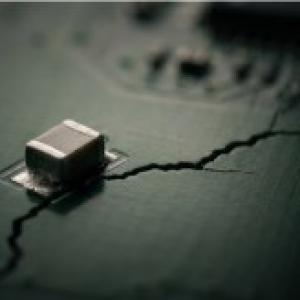
Anyone working in hardware, PCB design, or SMT processing has likely encountered the pitfalls of PCB warpage.What might seem like minor board bending or warping can have disastrous consequences: Component misalignment, cold solder joints, BGA voids, "tombstoning," misaligned screw holes, and cracking due to stress during final assembly—often leading to mass rework or the scrapping of entire batch
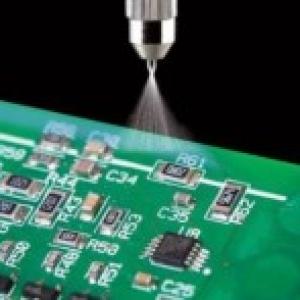
When dealing with conformal coating, many hardware engineers' first reaction is: "Wouldn't it suffice to just spray the entire PCB?" Actually, that’s not quite the case! While conformal coating does indeed enhance a PCB's resistance to moisture, salt spray, dust, and corrosive environments, it is essentially an insulating protective film. The problem lies precisely here: some components require
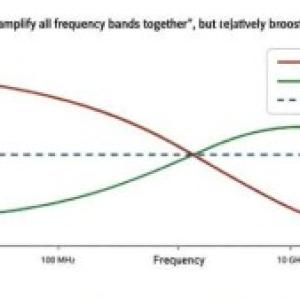
A diode might look like a simple component with just two leads,but if you underestimate it, you’re likely to run into trouble. In this article, we cover everything from underlying principles to technical specifications, and from model classifications to practical selection, finally providing you with a ready-to-use checklist.
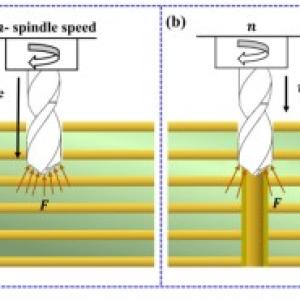
Back-drilling, a critical process for removing unnecessary copper from through-holes and controlling stub length, directly impacts high-speed signal integrity. Since back-drilling typically occurs after through-hole metallization, the processing conditions differ fundamentally from standard through-hole drilling; consequently, issues such as hole clogging, positioning accuracy, and stub length co