[Out of Stock] Supply Cut-off of Key PCB Materials Triggers Sharp Price Hikes!
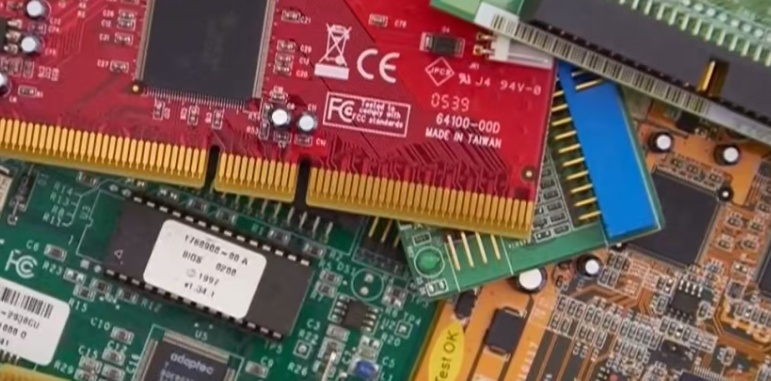
Resin is a key component in the manufacture of printed circuit boards (PCBs), which are widely used in products ranging from smartphones and computers to home appliances and automobiles.In April of this year, a missile attack by Iran on a petrochemical complex in Jubail, Saudi Arabia, severely disrupted a major global source of resin, leading to a shortage of this critical circuit board material. With shipping through the Strait of Hormuz halted due to the conflict, the affected plants had already suspended production in late March and have yet to resume operations.
Experts warn that if the disruption to resin supplies persists into the autumn, the prices of certain electronic products will rise, placing a financial burden on consumers.

Reports state that PCB prices surged by as much as 40% between March and April. U.S. PCB manufacturer TTM announced that its product prices would rise by 5% to 25%. Usha Haley, a supply chain expert and professor at Wichita State University, noted that a plant in Jubail, Saudi Arabia, supplies approximately 70% of the world's high-purity polyphenylene ether (PPE) resin; "Production has now stalled, and there are no other suppliers to fill the gap. PCB prices rose 40% in a single month, and lead times for epoxy resin raw materials extended from three weeks to 15 weeks."

There are currently no off-the-shelf resin substitutes available, although various industries are exploring alternatives. High-purity polyphenylene ether (PPE) resin is used because it delivers the electrical, thermal, and reliability characteristics required for advanced PCBs—particularly in applications where signal integrity is critical. While substitutes might be suitable for some low-end electronics, any material change for high-end smartphones, RF components, AI servers, and automotive electronics entails a time-consuming process of redesign, testing, and recertification. Engineers might switch to polytetrafluoroethylene (PTFE) or epoxy-based laminates to meet the requirements of low-frequency applications.
However, supply chain experts warn that this resin shortage—compounded by rising memory prices and the impact of tariffs—could push the prices of electronic devices to a ten-year high this autumn. Sridhar Tayur, a professor of operations management at Carnegie Mellon University and a supply chain expert, noted that the U.S. lacks the production capacity to offset the resin shortage and has lost relevant technical talent to other regions. Experts state that if the resin supply disruption persists into the autumn—even for a period of 275 days—the prices of certain electronic products will be affected, and consumers will feel the tangible impact of the price hikes.