KEY TECHNOLOGY(HK)CO. ,LIMITED
  • Home
  • Products
    • PCBA
    • Rigid PCB
    • HDI PCB
    • Rigid Flex PCB
    • Flex PCB
    • High Frequency PCB
      • Rogers PCB
      • Isola PCB
      • Arlon PCB
      • Nelco PCB
      • Taconic PCB
      • Teflon PCB
      • Neltec PCB
    • Metal Core PCB
      • Aluminium PCB
      • Copper PCB
    • Ceramic PCB
    • Laser Stencil
    • Reverse engineering
    • Purchasing components
  • Capability
    • PCBA capability
    • Rigid PCB capability
    • HDI PCB Capability
    • Rigid Flex PCB Capability
    • Flex PCB Capability
    • High Frequency PCB Capability
    • Metal Core PCB Capability
    • Ceramic PCB Capability
  • Equipment
    • PCB Equipment
    • PCBA Equipment
  • About us
  • Blogs
  • Inquiry
  • Contact us
  1. Home
  2. Products
  3. HDI board impedance control technology:
  • HDI board impedance control technology: the key to ensuring high-speed signal transmission.
  • HDI board impedance control technology: the key to ensuring high-speed signal transmission.
HDI board impedance control technology: the key to ensuring high-speed signal transmission. HDI board impedance control technology: the key to ensuring high-speed signal transmission.

HDI board impedance control technology: the key to ensuring high-speed signal transmission.

  • Product Item:KEY-PCBA 75
  • HDI PCB
  • HDI IMPEDANCE
  • IMPEDANCE CONTROL
  • HDI
  • high-density interconnect (HDI) boards  , the integrity and stability of signal transmission
    Inquiry Send Email

    Description

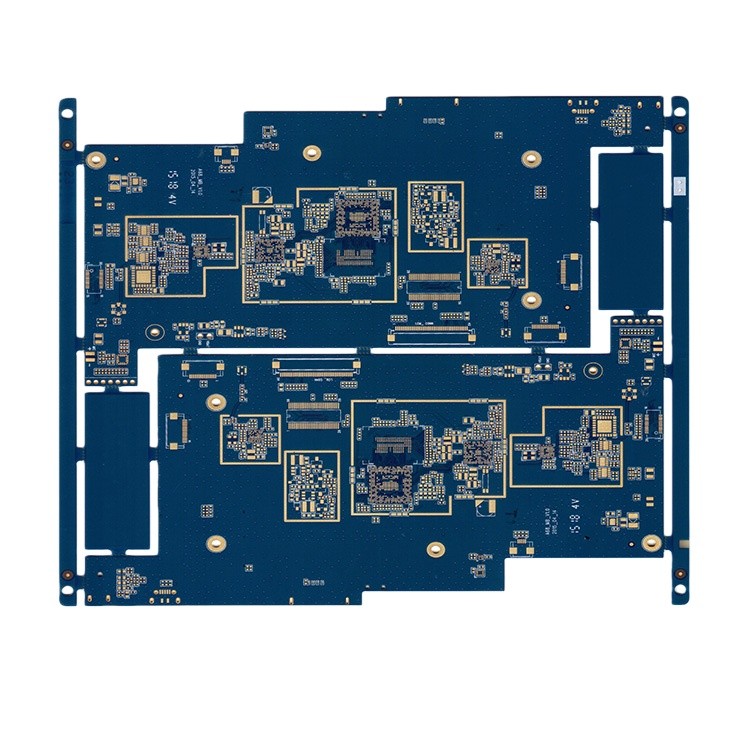
    With the development of electronic devices towards high frequency, high speed, and high density, high-density interconnect (HDI) boards are becoming increasingly widely used in smartphones, 5G communication equipment, automotive electronics, and other fields. In these applications, the integrity and stability of signal transmission are crucial, and impedance control technology is key to ensuring high-speed signal transmission.

    What is impedance control?

    Impedance control refers to the technology used in PCB design to precisely control the geometric shape of the traces, material characteristics, and interlayer structure to match the impedance of the signal transmission line with the characteristic impedance of the system, thereby reducing signal reflection and loss and ensuring signal integrity.

    In high-speed signal transmission, impedance mismatch can lead to signal reflection, crosstalk, and attenuation, which in turn affects the performance of the device. Therefore, impedance control is a core aspect of HDI board design.

    Request HDI PCB Quote Now


    Challenges of HDI Board Impedance Control


    Due to its high density, multi-layer structure, and complex design, HDI boards face the following challenges in impedance control:
    High-density routing: The trace width and spacing of HDI boards are small, which can easily lead to impedance fluctuations.
    Multi-layer structure: The complex stacking structure and micro-via technology increase the difficulty of impedance control.
    High-frequency signals: In high-frequency applications, signals are more sensitive to impedance changes, requiring higher design precision.
    Material characteristics: The dielectric constant (Dk) and loss factor (Df) of different materials affect the stability of the impedance.
    Key Technologies for High-Density Interconnect Board Impedance Control
    To achieve precise impedance control, HDI board design needs to address the following aspects:

    (1) Trace Design Optimization

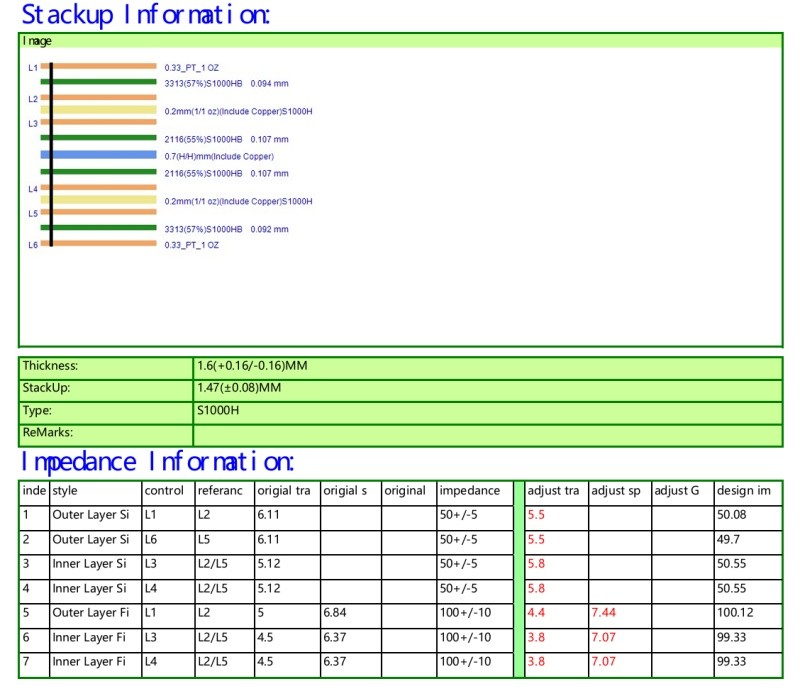
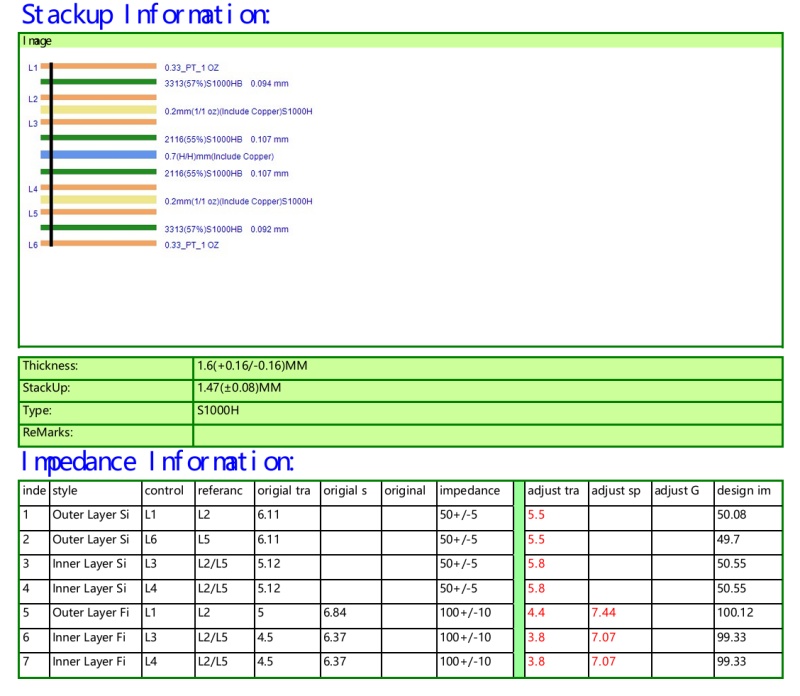
    Trace width and thickness: The width and copper foil thickness of the traces directly affect the impedance value. Appropriate trace dimensions are determined through precise calculations and simulations.
    Trace spacing: In high-density routing, excessively small trace spacing can lead to crosstalk; reasonable spacing design is needed to reduce interference.
    Reference plane: The reference plane below or above the traces (usually a ground plane or power plane) is crucial for impedance control. Ensure the integrity and continuity of the reference plane.

    (2) Layer Stackup Design

    Dielectric layer thickness: The thickness of the dielectric layer directly affects the distance between the traces and the reference plane, thus affecting the impedance value. Precise control of the dielectric layer thickness is ensured through optimization of the layer stackup. Symmetrical Design: Using a symmetrical layered structure can reduce impedance fluctuations and improve signal transmission stability.
    Request HDI PCB Quote Now

    (3) Material Selection

    Dielectric Constant (Dk): Choosing materials with a low dielectric constant can reduce signal delay and loss.
    Loss Factor (Df): Materials with a low loss factor help improve signal transmission efficiency.
    Consistency: Ensure that the dielectric constant and thickness of the materials remain consistent during the manufacturing process to avoid impedance fluctuations.

    (4) Microvia and Blind Via Design

    Microvia Technology: The microvia technology widely used in HDI boards places higher demands on impedance control. Optimize the size and location of microvias to reduce their impact on signal transmission.
    Blind and Buried Vias: Reasonably design blind and buried vias to avoid interference with trace impedance.

    (5) Simulation and Testing

    Simulation Tools: Use professional PCB simulation tools (such as SI9000, HyperLynx, etc.) for impedance simulation to ensure that the design meets the requirements.
    Test Verification: Verify the impedance of the finished board using test equipment such as time-domain reflectometers (TDR) to ensure consistency with the design values.
    HDI PCB impedance control technology is crucial for ensuring high-speed signal transmission and directly affects the performance and reliability of electronic devices. By optimizing trace design, layered structure, material selection, and manufacturing processes, precise impedance control can be achieved to meet the needs of high-frequency and high-speed applications.
    As a leading supplier of HDI board technology, KEY TECHNOLOGY is committed to providing customers with high-performance, high-reliability solutions. If you encounter challenges in impedance control in your HDI board design, please feel free to contact our technical team. We will provide you with professional support and services.

    Inquiry Us


    Related Products

    Rogers 4725JXR PCB

    Rogers 4725JXR PCB

    Taconic+FR4

    Taconic+FR4

    blind&buried vias hole PCB HDI

    blind&buried vias hole PCB HDI

    How to choose a good PCBA manufacturer?

    How to choose a good PCBA manufacturer?

    Control PCBA board

    Control PCBA board

    1 Step HDI PCB

    1 Step HDI PCB

    Product Categories

    • PCBA
    • Rigid PCB
    • HDI PCB
    • Rigid Flex PCB
    • Flex PCB
    • High Frequency PCB
      • Rogers PCB
      • Isola PCB
      • Arlon PCB
      • Nelco PCB
      • Taconic PCB
      • Teflon PCB
      • Neltec PCB
    • Metal Core PCB
      • Aluminium PCB
      • Copper PCB
    • Ceramic PCB
    • Laser Stencil
    • Reverse engineering
    • Purchasing components

    Links

    Google.comBaidu.com

    内页左侧广告1

    Feedback

    Contact Us

    sales@key-pcba.com

    234123644@qq.com

    Commercial and Cultural Building, Community 11 of Tangwei,Fuhai Street, Bao'An District Shenzhen 518103 GuangDong China.

    WECHAT

    Copyright © 2016 KEY TECHNOLOGY(HK)CO. ,LIMITED All Rights Reserved.

    • Skype.
    • E-mail
    • Whatsapp
    • Inquiry